Population of the settlement#
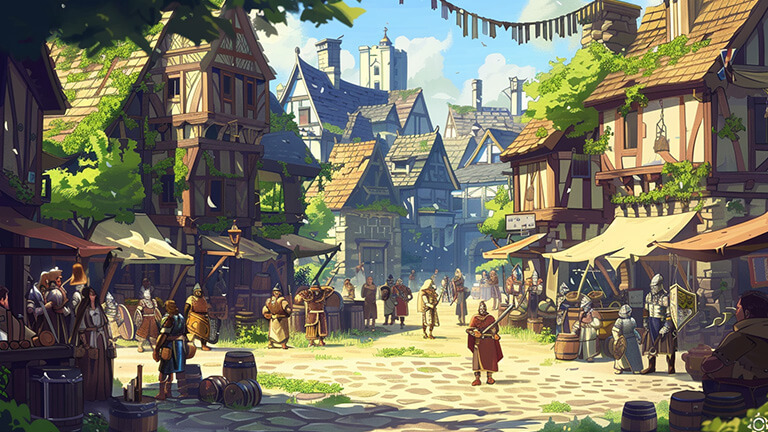
A settlement includes the population living directly within it, as well as the residents of its direct subsidiary settlements. If an estate is directly subordinate to a city, its residents are included in the city’s population. If an estate is subordinate to a village, and the village is subordinate to a city, the estate’s residents are not included in the city’s population.
Real estate on the territory of a settlement#
Only clones living in a settlement can work in its production facilities. Therefore, settlement owners are interested in ensuring sufficient housing. Any clone with the status of “artisan” or higher can build houses in any settlement. Settlement owners also have the right to construct housing on their own territory.
There are no limits on the number of houses or residents. The number of living spaces in a house depends on its development level. The owner can live in the house themselves or rent it out to other clones, setting the price at their discretion.
Information about property owners and the total number of residents of the settlement, including subordinates, is available on the “Residents” page (“Investor” → “Urban Development” → “Your Settlement” → “Residents”).
Subordination of settlements#
All settlements in principalities are linked by a hierarchy of subordination. Settlements can be located within other settlements and develop jointly.
The higher the settlement level, the greater the management capabilities: increased production, greater resource management, and the attraction of new residents. A developed settlement can significantly increase the owner’s income.
After reaching the Village level, other players can establish settlements subordinate to yours. These settlements are considered subordinate settlements, and yours is considered the superior settlement. The more subordinate settlements you have, the higher your potential daily income.